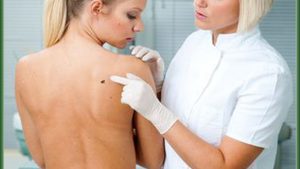
 After being treated for skin cancer, many patients assume the problem is fully resolved. While treatment is often highly successful, there is still a risk of recurrence or the development of new skin cancers.
Ongoing follow-up care plays a critical role in maintaining your long-term skin health. Texas Surgical Dermatology, led by Dr. Tri H. Nguyen who is a Mohs fellowship-trained specialist, provides mohs surgery to patients in Houston, Katy, Spring, The Woodlands, Texas, and surrounding locations.
What Is Skin Cancer Recurrence
Recurrence occurs when cancer returns after treatment, either in the same location or nearby. Even when a tumor is completely removed, microscopic cancer cells can sometimes remain.
Additionally, patients who have had one skin cancer are at higher risk of developing another.
Who Is at Higher Risk for Recurrence
Certain factors increase the likelihood of recurrence:
- History of multiple skin cancers
- Larger or more aggressive tumors
- Tumors located on the face or ears
- Weakened immune system
- Significant sun exposure over time
Why Follow-Up Appointments Are Important
Regular follow-up visits allow your provider to:
- Detect recurrence early
- Identify new skin cancers
- Monitor healing and scar tissue
- Address any concerns promptly
Early detection leads to simpler and more effective treatment.
What Happens During a Follow-Up Visit
A typical visit may include:
- Full skin examination
- Evaluation of the previous treatment site
- Discussion of any new or changing lesions
- Recommendations for prevention
How Often Should You Be Seen
Follow-up frequency depends on your individual risk, but many patients are advised to have:
- Skin checks every 6 to 12 months
- More frequent visits for higher-risk individuals
Preventing Future Skin Cancers
While not all skin cancers can be prevented, you can reduce your risk by:
- Using daily sun protection
- Wearing protective clothing
- Avoiding tanning beds
- Monitoring your skin regularly
Signs to Watch For Between Visits
Contact your provider if you notice:
- A new lesion that does not heal
- Changes in an existing spot
- Redness, scaling, or bleeding
The Role of Mohs Surgery in Recurrence Prevention
Mohs surgery offers one of the highest cure rates for skin cancer because it removes cancer cells layer by layer while preserving healthy tissue. This precision reduces the risk of recurrence.
Long-Term Skin Health
Managing skin cancer is not a one-time event. Ongoing care and vigilance are essential to maintaining healthy skin and preventing future issues.
Contact Us
If you have been treated for skin cancer or are due for a follow-up exam, we are here to help. Contact our office to schedule your appointment and ensure your skin stays healthy for years to come.
FOR MORE INFORMATION CONTACT OUR BOARD CERTIFIED IN DERMATOLOGISTS AT TEXAS SURGICAL DERMATOLOGY IN SPRING, TX
For more information on procedures and treatments offered at Texas Surgical Dermatology PA please call 832.663.6566 or click here to contact our dermatologists. Helping patients in Houston, The Woodlands, Spring, Katy and other surrounding areas of Texas.